Depression (MDD)
Major Depressive Disorder is a neurobiological condition. Discover modern lines of treatment, from classical pharmacology to advanced neuromodulation.
Depression (MDD)
Major Depressive Disorder (MDD) is not simply a prolonged period of low mood. It is a serious neurophysiological disorder which, on neuroimaging and clinical models, is associated with underactivity of specific cortical networks — such as the left dorsolateral prefrontal cortex (DLPFC) — and hyperactivation of subcortical structures, such as the amygdala.
At Smart CNS Center, treatment of depression is not based on the traditional “trial-and-error” use of parts of the pharmacological arsenal. We work in a structured way through lines of treatment, integrating precision psychiatry.
The anatomy of depression
Neuroimaging studies show that in depression, the “top-down” regulation of emotions is impaired. The DLPFC fails to inhibit the overactive amygdala, resulting in persistent sadness, lack of motivation and anhedonia.
ICD-10 coding
- F32: Major depressive disorder, single episode.
- F33: Recurrent depressive disorder.
Therapeutic management
First-line treatments
- DNA-based pharmacotherapy (PGx): Instead of trying SSRIs or SNRIs “blindly”, we map the metabolic profile through cytochromes, such as CYP2D6 and CYP2C19, and select the most suitable molecule from the outset. Pharmacogenomics substantially reduces the time needed to identify the appropriate treatment.
- Cognitive Behavioral Therapy (CBT): Focus on cognitive schemas and behavior.
Second- and third-line treatments — Treatment-Resistant Depression (TRD)
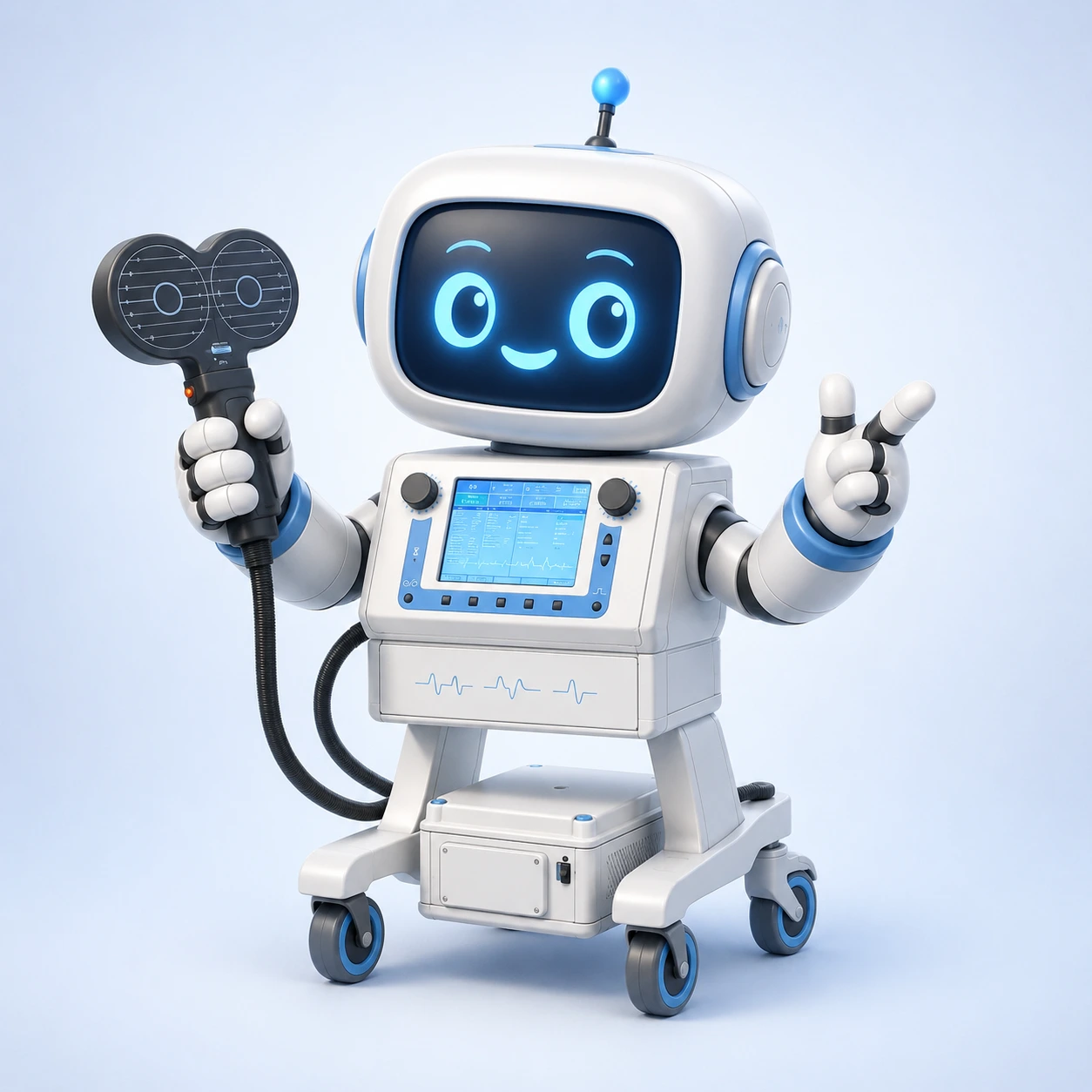
When the brain has developed resistance to medication, as in treatment-resistant depression, the solution may be neuromodulation methods — “hardware updates”:
- rTMS (repetitive transcranial magnetic stimulation): A powerful, non-invasive tool that stimulates the brain with magnetic pulses. For MDD, it is an approved treatment that often produces rapid remission without the systemic side effects of antidepressants.
- iTBS (theta burst stimulation): The evolution of rTMS, where pulses mimic the brain’s natural theta rhythm, reducing session duration from 37 minutes to just 3 minutes.
Frequently asked questions (FAQ)
How do I know whether I have “clinical” depression or simple sadness?
Clinical depression (MDD) differs in intensity, duration — at least 2 weeks — and impact on functioning. When it is accompanied by sleep disturbances, anhedonia and a sense of hopelessness, medical assessment is required. A PHQ-9 self-assessment test can be used as an initial step.
Is it necessary to take medication?
Not always. The choice depends on severity and clinical history. Today there are highly effective non-pharmacological interventions, such as rTMS.
What is pharmacogenomics (PGx) and how does it help?
It is a DNA test that shows how your body metabolizes psychiatric medications. It helps avoid side effects and select the medication most likely to work for you.
How effective is rTMS in depression?
Large clinical studies show that rTMS produces significant improvement in approximately 1 in 2 patients who did not respond to medication, and full remission in approximately 1 in 3.
Is there a risk of relapse?
Depression can be recurrent (ICD-10 F33). Proper follow-up and preventive use of psychoeducation or maintenance rTMS sessions can significantly reduce this risk.
Entity Graph: Associations
- Depression (MDD) → main symptom → Anhedonia
- MDD → biological basis → DLPFC underactivity / amygdala hyperactivity
- MDD → first-line treatment → pharmacotherapy / PGx / CBT
- MDD → resistant-case treatment → rTMS for Depression / iTBS
- MDD → assessment tool → PHQ-9 / HAM-D
- MDD → related condition → Treatment-Resistant Depression (TRD)
References
- Rush AJ, et al. (2006). Acute and longer-term outcomes in depressed outpatients requiring one or several treatment steps: a STAR D report. The American Journal of Psychiatry.
- George MS, et al. (2010). Daily left prefrontal transcranial magnetic stimulation therapy for major depressive disorder: a sham-controlled randomized trial. Archives of General Psychiatry.
- Blumberger DM, et al. (2018). Effectiveness of theta burst versus high-frequency repetitive transcranial magnetic stimulation in patients with depression (THREE-D): a randomised non-inferiority trial. Lancet.
- Mutz J, et al. (2019). Comparative efficacy and acceptability of non-invasive brain stimulation for the treatment of adult unipolar and bipolar depression: A systematic review and meta-analysis. World Psychiatry.